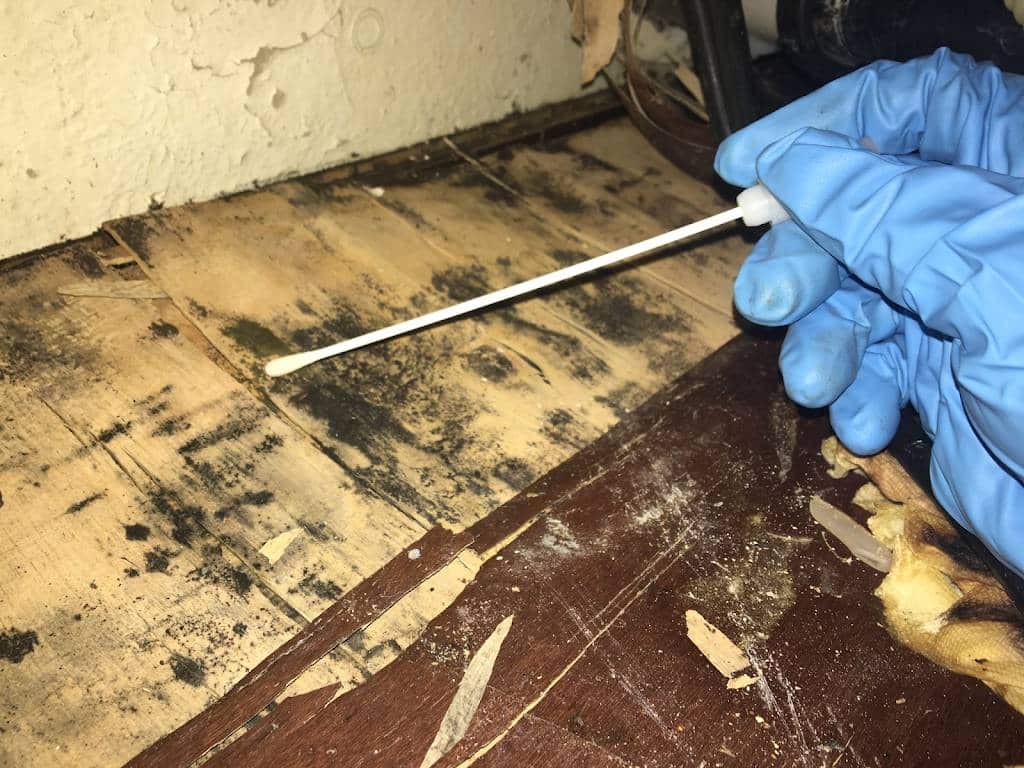
In most cases, if visible mold growth is present, sampling is unnecessary. Since no EPA or other mold remediation Long Beach federal limits have been set for mold or mold spores, sampling cannot be used to check a building’s compliance with federal mold standards. Surface sampling may be useful to determine if an area has been adequately cleaned or remediated. Sampling for mold should be conducted by professionals who have specific experience in designing mold sampling protocols, sampling methods and interpreting results. Sample analysis should follow analytical methods recommended by the American Industrial Hygiene Association (AIHA), the American Conference of Governmental Industrial Hygienists (ACGIH), or other professional organizations.
Are there federal regulations or standards regarding mold testing?
Standards or Threshold Limit Values (TLVs) for airborne concentrations of mold, or mold spores, have not been set. Currently, there are no EPA regulations or standards for airborne mold contaminants.
How do molds affect people?
Molds are usually not a problem indoors, unless mold spores land on a wet or damp spot and begin growing. Molds have the potential to cause health problems. Molds produce allergens (substances that can cause allergic reactions) and irritants. Inhaling or touching mold or mold spores may cause allergic reactions in sensitive individuals. Allergic responses include hay fever-type symptoms, such as sneezing, runny nose, red eyes, and skin rash.
Allergic reactions to mold are common. They can be immediate or delayed. Molds can also cause asthma attacks in people with asthma who are allergic to mold. In addition, mold exposure can irritate the eyes, skin, nose, throat, and lungs of both mold-allergic and non-allergic people. Symptoms other than the allergic and irritant types are not commonly reported as a result of inhaling mold. Research on mold and health effects is ongoing.
The above does not describe all potential health effects related to mold exposure. For more detailed information consult a health professional, your state or local health department, or the Centers for Disease Control and Prevention mold website
 Site Title
Leave a comment